🇪🇸 Toledo: The City of Three Cultures
Toledo's History (ESL Level 4)
Toledo is a famous city in Spain. It is often called the **“City of Three Cultures.”**
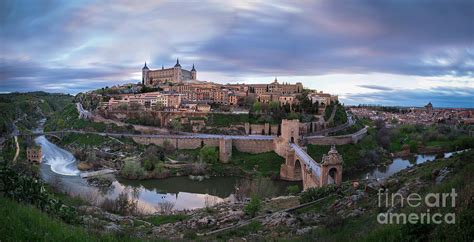
Toledo sits high up on a hill. The Tagus River wraps all the way around the city in a big, deep curve. This location was very strong for defense. Because of this, Toledo has been an important city for more than 2,000 years.
When you walk in Toledo, you walk on narrow, winding streets. You walk through many layers of history. Romans, Visigoths, Muslims, Jews, and Christians all lived here and left their mark. Toledo is not just a city; it is like a living museum of Spain's complex and interesting past.
🏛️ From Roman Steel to Visigoth Kings
The very first people in the area were an early Spanish tribe. But the Romans changed the city the most. They captured the land in 193 BC and named it Toletum. Under the Romans, Toletum grew and became famous for making high-quality steel and weapons. This tradition of metalworking defined the city for centuries. The Romans built temples and a large circus for entertainment.
When the Roman Empire became weak, the Visigoths (a Germanic tribe) came and took over the land. They chose Toledo as the capital of their kingdom. This was Toledo's first major Golden Age. From the 6th to the 8th century, the city was the center of all political and religious power in Spain. The Visigoths held important church meetings here that helped create the laws for the entire kingdom.
🕌 The Era of Coexistence
In 711 AD, Islamic forces came and conquered most of Spain. They called Toledo Tūla-tulah. The city was no longer the political capital, but it became an amazing center for learning and culture.
This was the time of Convivencia, a Spanish word meaning **“coexistence.”** For hundreds of years, Muslims, Christians, and Jews lived and worked together. They shared knowledge and translated important books. They helped each other grow in science, philosophy, and poetry.
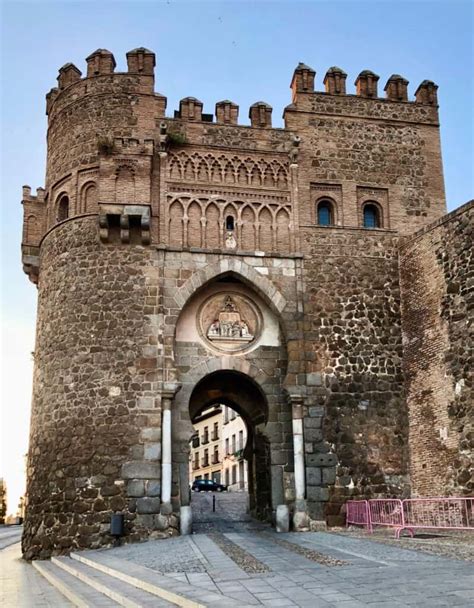
Architecturally, the city blended styles. Churches were built using Islamic techniques (this style is called Mudéjar). Toledo became famous across Europe for its great libraries and, of course, its legendary steel blades.
🎨 The Christian Zenith and the Painter’s Legacy
Islamic rule ended in 1085 when the Christian King Alfonso VI captured the city. This event was a major part of the Reconquista. King Alfonso VI was wise: he let the diverse population stay in the city.
Because of this decision, Toledo continued to be a bridge between cultures. A School of Translators was created where scholars from all three faiths worked together. They translated important Arabic and Hebrew books into Latin and Spanish. These translations brought old Greek knowledge (like the works of Aristotle) back to Western Europe. Later, the Christian city built its most famous building: the huge Primate Cathedral of Toledo.
Toledo reached its high point during the 16th century under Emperor Charles V. This is known as the Spanish Golden Age. During this time, the famous Greek painter, El Greco, came to Toledo. He captured the spirit of the city's people in his dramatic paintings, which are a huge part of the city's artistic legacy.
🏰 Decline and Enduring Legacy
The city's power started to disappear in 1561 when the king moved the Spanish capital from Toledo to Madrid. This move caused a big decline in Toledo's importance.
However, this political decline helped preserve the city. The city stopped growing, and its stunning historical character was frozen in time.
Today, the entire old city of Toledo is a UNESCO World Heritage site. The old tradition of making fine Toledo steel still continues. Toledo remains a perfect example of Spanish history, showing layers of Roman, Visigothic, Islamic, and Christian influences all within one spectacular city.
Vocabulary Match
Drag the word on the right to the correct definition on the left.
Sentence Completion
Choose the correct word to complete each sentence.