Tenerife: The Obsidian Jewel of the Atlantic
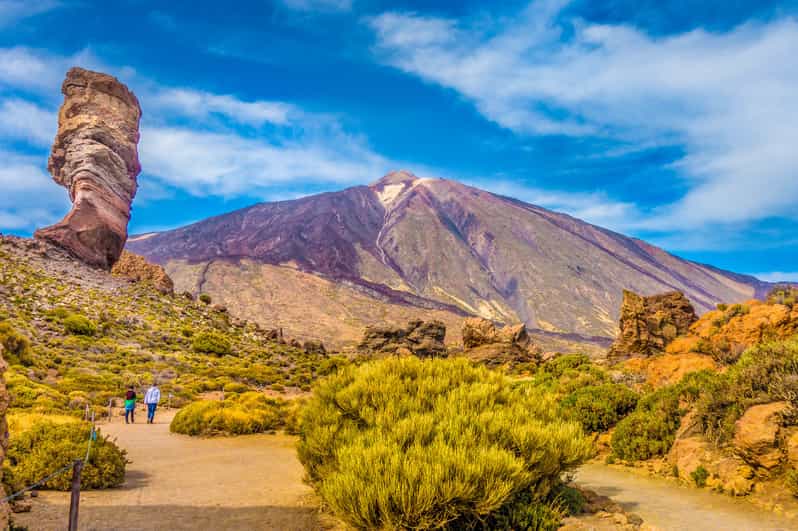
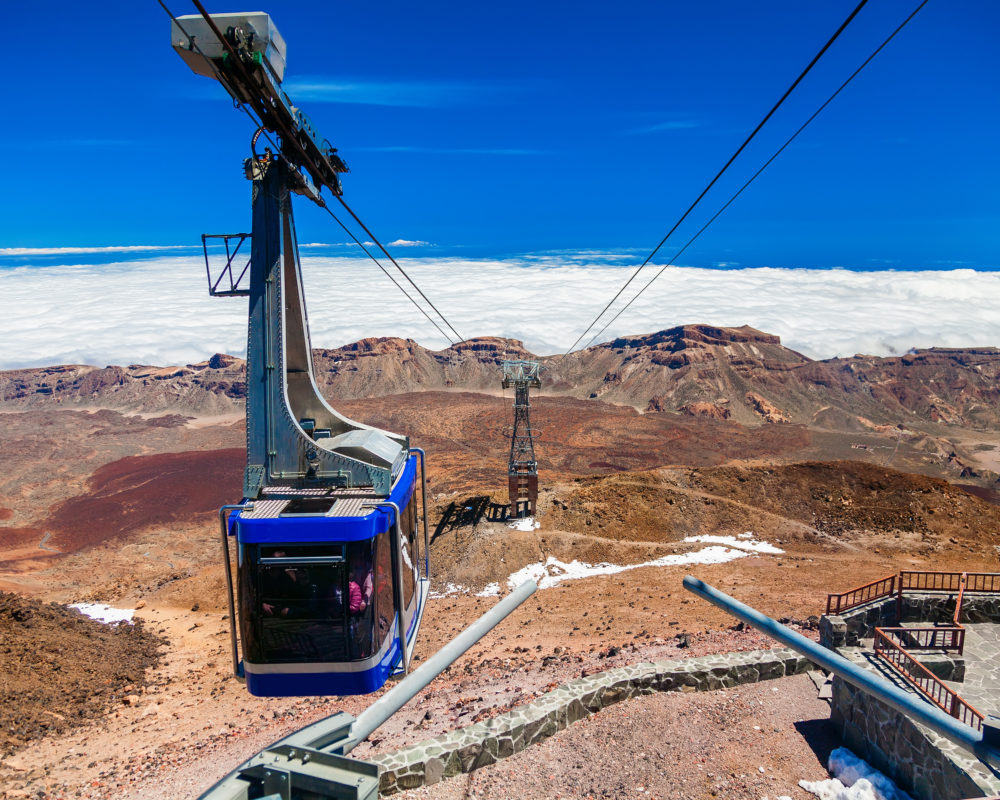
The island of **Tenerife**, the beating heart of Spain’s Canary Archipelago, rises from the Atlantic like a fractured shield, a landscape sculpted by fire and time. It is a jewel of stunning contrast: a place where sun-baked southern beaches give way to cool, verdant laurel forests in the north, all dominated by the colossal, snow-dusted peak of **Mount Teide**. Teide, the third-largest volcano in the world measured from its ocean floor base, gives the island its dramatic verticality, soaring to 3,715 meters. From its crater-strewn lunar landscape to the vibrant waters of the coastline, Tenerife offers an ecological microcosm, justifying its ancient name, **Achinech**, or "snowy mountain" in the tongue of its first inhabitants.
```The Guanche Legacy and Spanish Conquest
The history of Tenerife is a story of resistance, conquest, and subsequent assimilation. Its narrative begins not with European explorers, but with the **Guanches**, an indigenous people of **North African Berber origin**. Settling the island perhaps as early as 200 BC, the Guanches lived in a sophisticated, if Stone Age, society. They were skilled herders and practiced **mummification**, organized into **nine distinct chiefdoms, or menceyatos**, scattered across the island. The Guanches knew Tenerife as their own, living in relative isolation until the late 15th century, developing unique traditions unmarred by the outside world.
This indigenous ownership was violently challenged by the expanding Spanish Crown of Castile. While other Canary Islands fell piece by piece, Tenerife, the last to be conquered, proved to be the toughest prize. The definitive push for conquest began in 1494 when Alonso Fernández de Lugo landed his Castilian forces. In what became known as the **First Battle of Acentejo**, or **La Matanza** (The Slaughter), the Guanches, fighting with stones and wooden spears, soundly defeated the heavily armored Spanish invaders, inflicting catastrophic losses. This victory was a defiant moment in indigenous history, temporarily preserving their sovereignty.
However, the tide was irreversible. Two years later, weakened by **disease** (likely smallpox) brought by the Europeans, and facing a renewed, well-armed Castilian force, the Guanches suffered their final defeat at the **Second Battle of Acentejo in 1496**. This event marked the end of the Guanche era and the beginning of over 500 years of Spanish rule. The surviving Guanches were either enslaved or assimilated, their unique language eventually **becoming extinct**, though their DNA, traditions, and place names persist in the modern Canarian identity.
A Strategic Atlantic Hub
Tenerife’s new role under Spanish ownership was pivotal. Its **strategic location** made it an essential stopping point on the Atlantic trade routes, connecting Europe, Africa, and the newly discovered Americas. This led to a diverse influx of settlers, wealth, and culture, primarily focused around the historic city of **San Cristóbal de La Laguna**. Its strategic importance also made it a target.
A later, highly significant event occurred in **1797**, when the island successfully defended itself against the famed British **Admiral Horatio Nelson**. In the Battle of Santa Cruz de Tenerife, Nelson, attempting to seize the port as part of Britain's rivalry with Spain, was decisively repelled by Spanish and Canarian forces. The legendary admiral lost his **right arm** in the battle—a historical footnote that Tenerife proudly claims as a moment of great resistance against a global power.
In the 20th century, Tenerife played an indirect but critical role in Spain's modern history with General **Francisco Franco** launching his coup d’état from the islands in **1936**. Later, the island’s profile was tragically raised in **1977** by the **Tenerife airport disaster** at Los Rodeos Airport, which remains the deadliest accident in aviation history, claiming 583 lives.
Today, Tenerife is owned by the Autonomous Community of the Canary Islands within the Kingdom of Spain. The island seamlessly blends its historical depth with its vibrant tourism industry. The south is famed for its eternally sunny beaches and resort towns, while the north, with its dramatic cliffs and lush valleys, holds the cultural and historical weight. To stand in the vast, arid expanse of Teide National Park is to feel the volcanic energy that first sculpted this land, a land whose identity—from the proud memory of the Guanches to the centuries of Spanish influence and moments of profound tragedy—is as complex and unforgettable as its breathtaking landscape.
```