Dubrovnik: The Pearl of the Adriatic
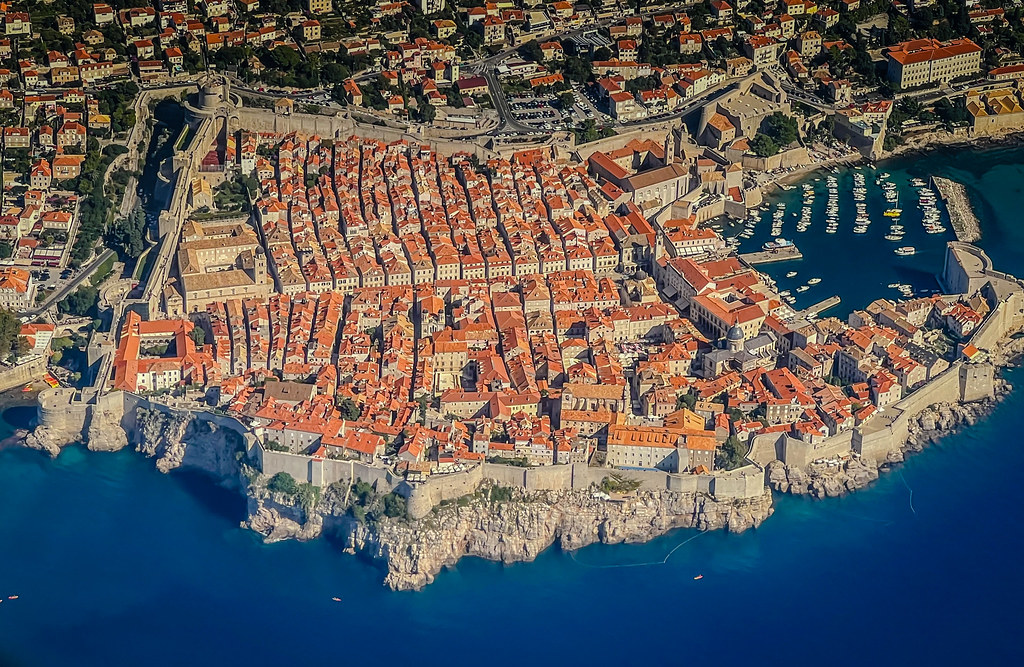
Perched on the southern tip of Croatia, the city of Dubrovnik stands as one of the world's most perfectly preserved medieval cities. Often called the "Pearl of the Adriatic," its massive stone walls encircle a town rich in history, commerce, and culture. The city's stunning beauty and historical significance have earned its Old Town UNESCO World Heritage status.
```A Republic of Maritime Power
The city's history stretches back to the 7th century when it was founded by refugees from the Roman city of Epidaurum, fleeing Slavic invasions. Originally named Ragusium, it grew into the independent Republic of Ragusa (1358–1808). This small state became a formidable maritime power, rivaling Venice in trade, particularly in the 15th and 16th centuries. The Republic's success was rooted in its shrewd diplomacy and commitment to neutrality. Rather than relying on military might, Ragusa paid tributes to stronger powers, such as the Ottoman Empire, to maintain its independence and vital trade routes. This strategy allowed it to flourish as a safe harbor and a center for intellectual and artistic achievement, creating a society that valued knowledge and self-governance. Remarkably, Ragusa was one of the first European states to abolish the slave trade in 1416, a century before most other nations, demonstrating its progressive stance.
Key Architectural Landmarks
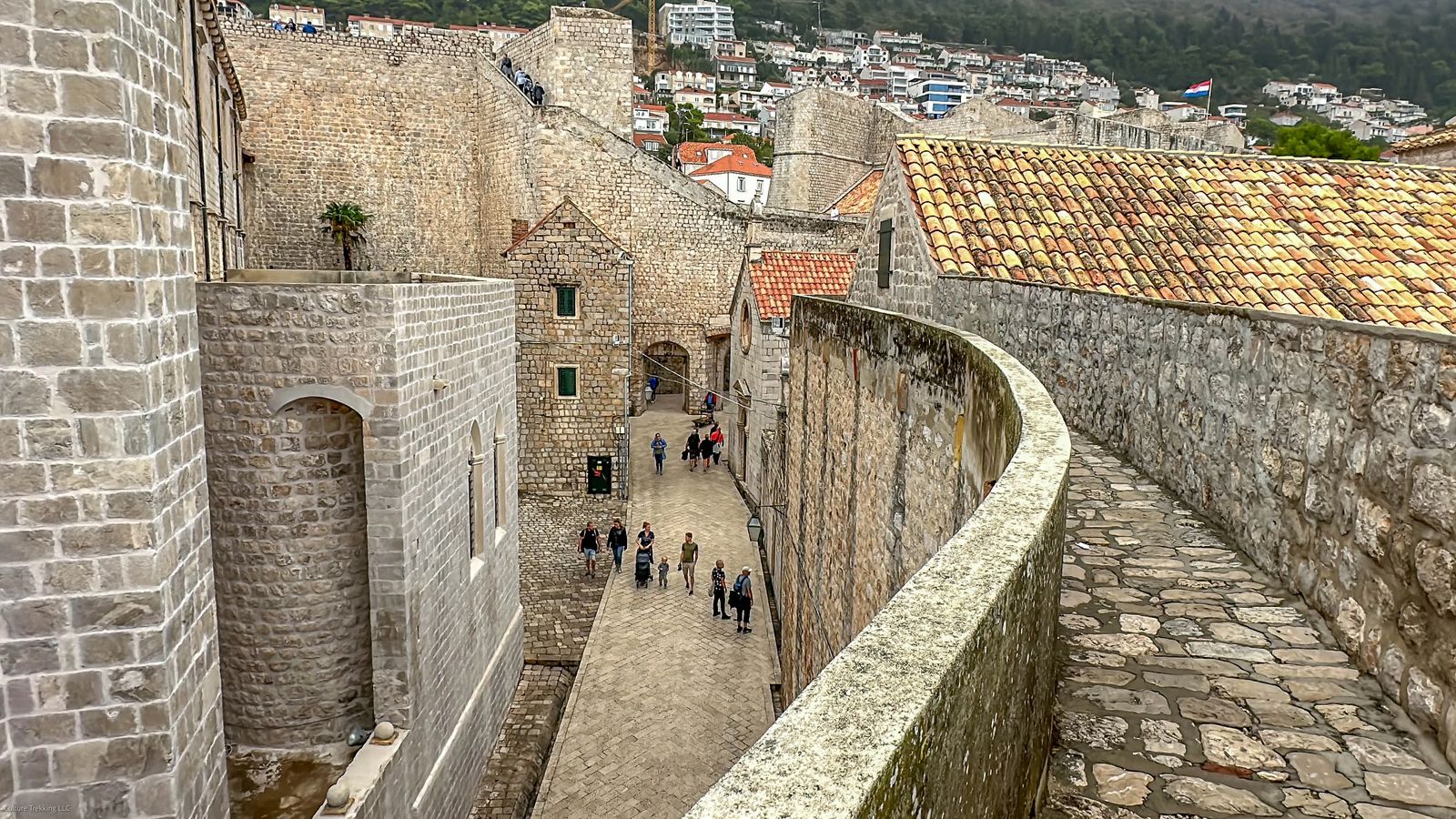
The Old Town is a testament to its former wealth and resilience. The city's most iconic feature is its Walls of Dubrovnik, a continuous defensive stone barrier that runs for nearly 2 kilometers (1.2 miles) and, in some places, reaches a height of 25 meters (82 feet). These walls were crucial in protecting the Republic.
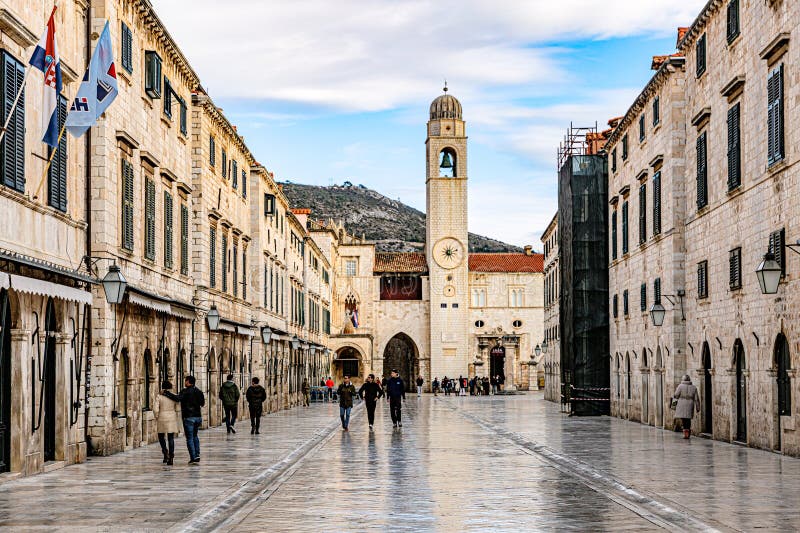
The main artery of the city is the Stradun (or Placa), a gleaming limestone pedestrian street that was once a shallow channel separating the early settlements. At one end of the Stradun is the 14th-century Onofrio's Great Fountain, which once supplied fresh spring water to the city.
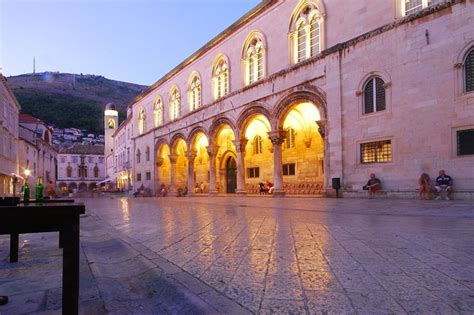
Other key sites include the Rector's Palace, the seat of the Republic's government, and the Sponza Palace, one of the few Renaissance buildings that survived the devastating earthquake of 1667. Following that disaster, the city was largely rebuilt in the Baroque style that defines its current look.
Trials of the Modern Era
Dubrovnik’s prosperity was finally ended not by a foreign army but by Napoleon's forces in 1808, which dissolved the Republic. After a brief period under French rule, the city fell under the control of the Austrian Empire until the end of World War I. More recently, the city faced its greatest modern challenge during the Siege of Dubrovnik (1991–1992) in the Croatian War of Independence. Despite its UNESCO protected status and cultural significance, the Old Town suffered considerable damage from shelling. However, thanks to a concerted international and local effort, the city was meticulously restored. A lesser-known detail about this restoration is that the roof tiles of the Old Town had to be sourced from the same small region in central Europe and laid in a specific, historical manner to ensure the authenticity of the repair work.
The Culture of Water and Stone
Life in Dubrovnik has always revolved around the sea. The historic Old Port still serves as a bustling hub, and the city’s stunning coastline includes hidden coves and the nearby island of Lokrum, which legends say was spared by a terrible storm after being blessed by Richard the Lionheart. The island, which is now a nature reserve, has a unique microclimate and is home to a saltwater lake known as the Dead Sea. The city's enduring spirit, its impressive architecture, and the clear blue waters of the Adriatic combine to make Dubrovnik more than just a tourist destination—it is a living, breathing monument to resilience and the golden age of Mediterranean commerce.