The Chronic Cold and the Volatile Present: A Life in Evanston Winters

True Stories — Level 3–4 | Climate, memory, and how winters changed in one lifetime

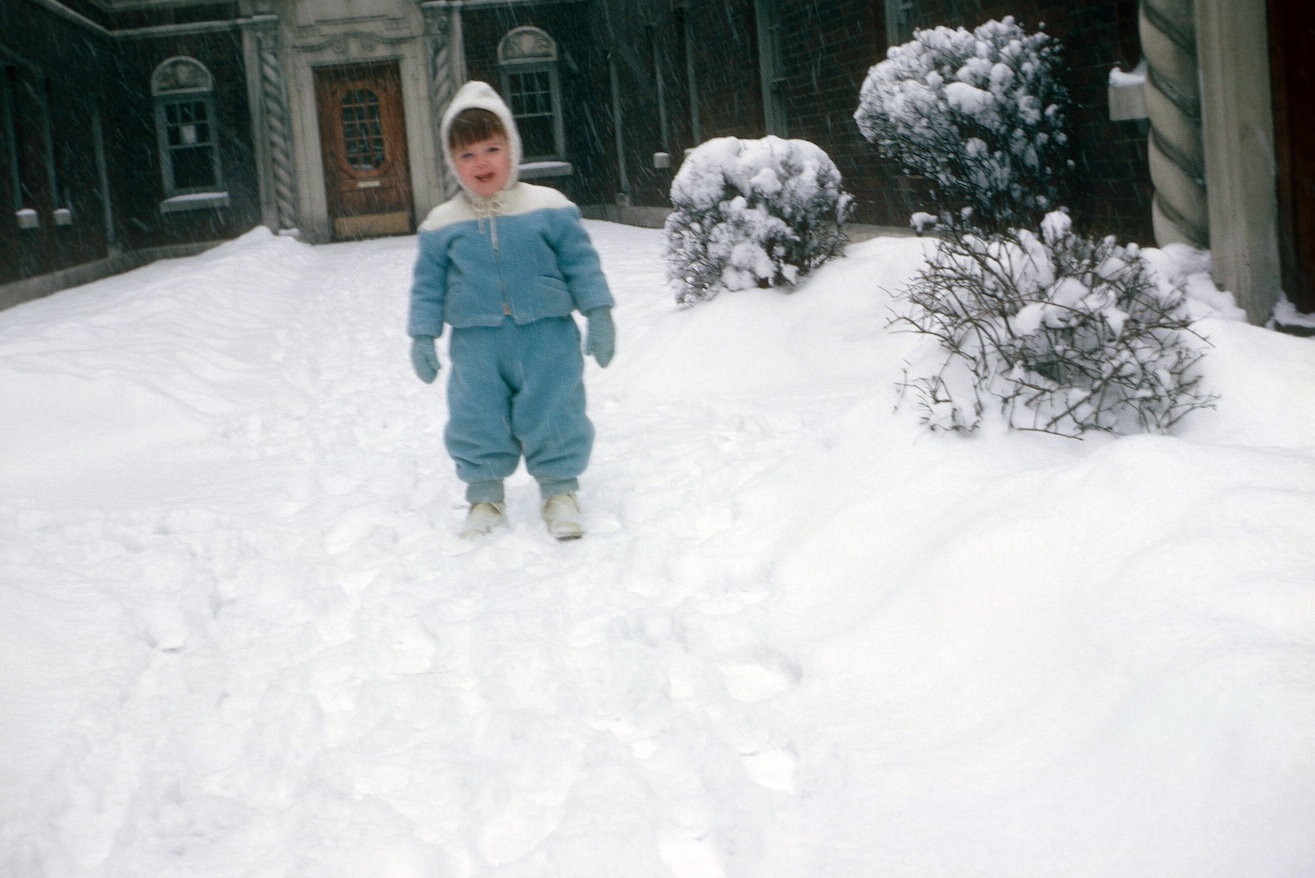
Evanston winter: snow day, January 8, 2004

Read the Story

Note: The story is literary; activities below use simplified language.

John Richards was born in Evanston, Illinois, in 1965. When he closes his eyes, he can still feel the bone-chilling cold of those early winters—the quiet, deep cold that settled over the city and simply stayed. It wasn't just a day of cold; it was the city itself freezing solid. He remembers how the high cost of heating the family home meant that it was never above 68 degrees between November and March.

```

The World of Chronic Cold (1965–1983)

For the first eighteen years of John’s life, winter was a chronic condition—long-lasting and predictable. The freezing weather often arrived by Thanksgiving and didn’t truly release its grip until late March.

The measurement that mattered most was 32°F. If the temperature stayed below that level all day, the ground never thawed. This was persistent cold, and it defined the entire season. John remembers those days stretching into weeks, where the snow that fell stayed where it landed, building up layer upon hard-packed layer.

Ice and Skates

The abundance of cold meant ice was everywhere. Every December, the City of Evanston’s Public Works crews would spray water onto the wide fields of many public parks, like Independence Park on Central Street, creating perfect neighborhood ice rinks. The rinks stayed frozen for two or three months. Skating was accessible for everyone and the bigger parks had ice skates you could rent for an hour or two. They also had warming-houses that were open for all skaters, and quite necessary due to the frigid temperatures.

John’s friend, Robbie, lived two blocks away. Robbie’s father was a master of the backyard rink. Using wooden boards and plastic sheeting, he flooded their lawn. Because the daytime temperature rarely went above the 32°F freezing point, the ice held perfectly. John and Robbie spent hours on that small rink, playing hockey and skating in circles and figure eights, the scratch of steel on ice a constant soundtrack to winter.

Snow Forts and Mountains

Snowfall was relentless and consistent, and because the ground never thawed, the snow kept accumulating. To a small boy, the snow mounds at the end of the driveway were mountains. John and his friends tunneled into them and also built snow forts with thick walls that lasted for weeks. The streets themselves were cold enough that they were coated with thin layers of packed snow, and kids skitched—grabbing the bumpers of stopped cars to slide along behind them when they began moving again. It was reckless fun made possible by continuous ice.

The Thaw and the Volatility (1984–2005)

In the late 1980s John began to notice alarming changes. Winter hadn’t disappeared, but it softened. The chronic cold lost its persistence. Strings of days in the 40s became common. Backyard rinks were harder to maintain. Warm spells melted ice unpredictably throughout winter. A select few of the city’s outdoor rinks still opened, but never stayed frozen for more than a few weeks. Snow forts were rarely possible to make and melted quickly when temperatures rose. More frequent melting meant the roads were rarely cold enough to maintain a thin coating of snow, so skitching became impossible.

The New Climate Reality (2006–Present)

Now at 60 years of age, living in the same town, John understands these weren’t just “bad years” but part of a larger climate shift. A recent climatology report confirmed what he felt: the region warmed by about 3°F across his lifetime—enough to erase the long, persistent cold.

John’s life records this change. The stable, frozen landscape is gone. The new pattern is chaotic and acute. “These recent winters aren’t just weird,” he told his sister, looking at the patchy, melting snow. “The entire system has changed. That isn’t just weather; that is climate.”

Climate Terminology

Acute Risk and Decoupling

  1. High Volatility: Wild swings—one week T-shirts, the next a sudden polar vortex.
  2. Freeze-Thaw Cycles: Crossing 32°F frequently damages streets through expansion and contraction.
  3. Decoupling: Snow totals haven’t dropped much overall because warmer air holds more moisture; when cold arrives, storms are fewer but more intense.
```
Evanston winter scene

Vocabulary — Matching (A & B)

Match each word to the best definition. (Level 3 wording; pulled from the story.)

Part A

1) persistent
2) thaw
3) volatility
4) decoupling
5) rink

Part B

6) chronic
7) infrastructure
8) accumulate
9) grip
10) skitching

Vocabulary in Context

Choose the best word from the box to complete each sentence.

volatilitypersistentthaw infrastructureaccumulatedecoupling
  1. Outdoor rinks stayed frozen for months because the cold was .
  2. Frequent crossing of 32°F damages city .
  3. Warm days caused the ice to and refreeze.
  4. Snow would because the ground never warmed.
  5. Big temperature swings show the new of winter.
  6. Heavy snow during warmer winters is explained by .

Multiple Choice

Select the best answer. (Answers are shuffled each load.)

  1. 1. In John’s childhood, what temperature signaled that the ground would not thaw?
  2. 2. Which activity became harder because of warm spells?
  3. 3. What best explains heavy snow during a warmer winter?
  4. 4. What ended the “era of skitching”?
  5. 5. The main shift John observed is from:

Cloze — Fill in the Blanks

Type the missing words. Use the word bank. Spelling must match, but punctuation is ignored. Tap the 🔎 for a first-letter hint.

chronicpersistentthawvolatility decouplingfreeze-thawinfrastructureaccumulate outdoorrinkbackyardfigure eights EvanstonPolar Vortex32°F ThanksgivingMarchmoisturestorms skitchingplowaccidentice grip
John Richards grew up in where winter felt . Below , the ground stayed frozen and water became . Cold arrived around and lasted into . Snow would because the cold was .
The city built thick s; kids practiced . Warmer spells caused ice to ; frequent cycles harmed . Temperature meant T-shirts one week and a the next. Snow totals stayed high due to : warmer air holds more , so big still occur. Kids once tried behind cars when streets had a solid of ice and little work.

True / False

  1. In John’s youth, snow stayed because the ground thawed daily.
  2. Backyard rinks were easy to keep when daytime highs stayed below 32°F.
  3. “Decoupling” means less snow because winters are warmer.
  4. More thawing and better plowing helped end common street-long ice sheets.
  5. John’s main idea: short-term weather changed, but climate did not.

Sequencing (A & B)

Part A — John’s Timeline

Put these in order (1–5):

  1. 2006–Present: acute, volatile winters
  2. 1965–1983: chronic steady cold
  3. 1965: John Richards born in Evanston
  4. mid-1990s: returns to Evanston as an adult
  5. 1984–2005: thaw and volatility increase

Part B — Cause and Effect

Order the chain (1–5):

  1. Rinks close for days after warm spells
  2. Warming by ~3°F over John’s lifetime
  3. More crossings of 32°F
  4. Freeze-thaw damages roads and ice bases
  5. Backyard/city rink maintenance gets harder

For Example — Explain the Idea

Write a one-sentence example for each concept from the story.

1) Persistent cold:
2) Volatility:
3) Decoupling:

Discussion / Writing

Role Play — Dialogue (18 lines)

Read with a partner. Then switch roles.

John: When I was a kid, winter felt endless.

Alice: You mean it stayed cold every day?

John: Many days never went above thirty-two. The snow didn’t melt much.

Alice: So the rinks were always ready?

John: The city flooded fields. We skated for months.

Alice: What changed first?

John: Warm spells in January. The ice got soft.

Alice: Is that why the rinks close sometimes now?

John: Yes. And the roads crack from freezing and thawing.

Alice: But I still see big snowstorms some years.

John: That’s the confusing part—decoupling. Warmer air holds more moisture.

Alice: So storms can be bigger even if winters are warmer?

John: Exactly. Fewer storms, but some intense ones.

Alice: Do you miss the old winters?

John: I miss the stability—the backyard rink, the forts.

Alice: And now?

John: Now we prepare for sudden changes.

Alice: That isn’t just weather; that is climate.

Answer Key (toggle)

Show / Hide Answers

Vocabulary Matching

A: 1-continuing for a long time; 2-to become unfrozen; 3-frequent, unpredictable change; 4-no longer moving together; 5-flat ice area

B: 6-long-lasting; 7-city systems; 8-build up; 9-strong hold; 10-holding a car to slide

```

Vocabulary in Context

1 persistent; 2 infrastructure; 3 thaw; 4 accumulate; 5 volatility; 6 decoupling

Multiple Choice

1 32°F; 2 Maintaining backyard rinks; 3 Decoupling; 4 Melting + better clearing; 5 Chronic → Acute

Cloze

1 Evanston, chronic; 2 32°F, ice; 3 Thanksgiving, March; 4 accumulate, persistent; 5 outdoor, rink, figure eights; 6 thaw, freeze-thaw, infrastructure; 7 volatility, Polar Vortex; 8 decoupling, moisture, storms; 9 skitching, grip, plow

True / False

F, T, F, T, F

Sequencing

Part A: 1965 → 1965–1983 → 1984–2005 → mid-1990s → 2006–Present

Part B: warming by ~3°F → more 32°F crossings → freeze-thaw damage → maintenance problems → rinks close sometimes

```