Three Women of Hollywood
Lana Turner, Hedy Lamarr, and Judy Garland
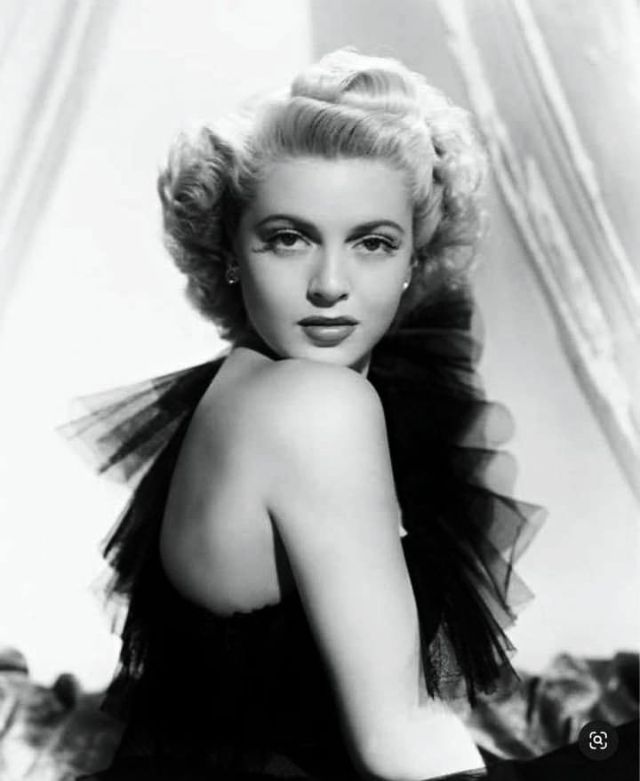
Lana Turner
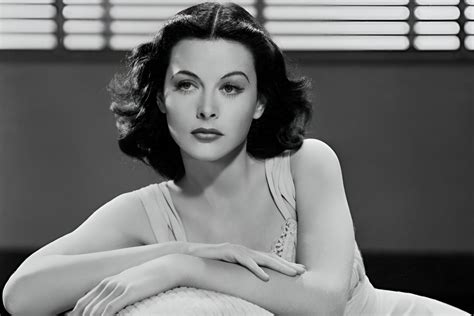
Hedy Lamarr
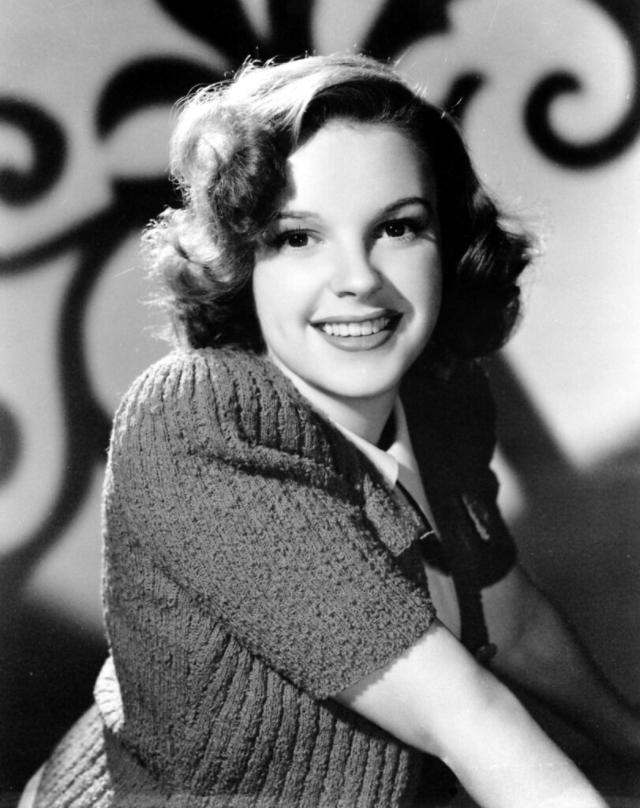
In the Golden Age of Hollywood, three women stood out for very different reasons: Lana Turner, Hedy Lamarr, and Judy Garland. All three worked under the powerful studio system at Metro-Goldwyn-Mayer (MGM), where careers could be carefully shaped, built up, and sometimes controlled.
Lana Turner was born Julia Jean Turner in 1921 and was famously discovered at a Hollywood malt shop. MGM quickly turned her into a star, promoting her as a glamorous “Sweater Girl.” She later moved into more serious roles, especially in film noir. Her performance in The Postman Always Rings Twice showed that she could take on complex characters, not just play a visual role. She also appeared in Ziegfeld Girl, where she worked alongside other rising actresses of the time, reflecting the highly competitive but interconnected studio environment.
Judy Garland, born Frances Ethel Gumm in 1922, followed a different path. She grew up performing and was signed by MGM as a teenager. She became world-famous for her role in The Wizard of Oz. However, behind the scenes, the studio system tried to control her image, weight, and schedule. She was often put on strict routines and given medication to keep up with demanding filming schedules. Despite these pressures, she built up a powerful connection with audiences, especially in live performances like her 1961 Carnegie Hall concert.
Hedy Lamarr, born in Vienna in 1914, had one of the most unusual careers. After leaving an oppressive marriage, she made her way to Hollywood and became known as one of the most beautiful actresses in films like Algiers and Samson and Delilah. However, she did not want to be boxed in as only a “glamour star.” During World War II, she came up with an idea to improve military communication. Working with composer George Antheil, she helped develop a system known as “frequency hopping,” which allowed radio signals to switch between channels and avoid interference.
Although the U.S. Navy did not immediately take up her invention, the idea later became the foundation for modern technologies such as Wi-Fi and Bluetooth. Lamarr’s scientific work was not fully recognized until much later in her life.
Ziegfeld Girl is the only major film in which all three women appeared together. The movie was designed to showcase different types of talent under the MGM system, giving each actress her own storyline. Garland played a determined young performer who slowly works her way up, Turner portrayed a glamorous woman who quickly rises to fame but struggles to keep up with its pressures, and Lamarr took on a more serious role as a sophisticated woman facing personal challenges. Although they do not share many scenes, the film connects their stories to highlight different paths in the entertainment industry. Because MGM often typecast its actors and guided their careers in different directions, this collaboration remains a rare moment when all three were featured in the same production.
All three women experienced both success and pressure under the studio system. Turner dealt with public scandals but continued acting for decades. Garland faced personal struggles but remained one of the most emotionally powerful performers of her time. Lamarr moved beyond acting and contributed to technological innovation that still affects the world today.
Together, they represent different ways of breaking through limitations—whether in film, performance, or science—and show how talent, pressure, and persistence often exist side by side.
Click a word or phrase. Then click its meaning.
Click a word or phrase. Then click its meaning.
Choose the best word or phrase. Each answer starts with —.
Choose the best answer. Answer choices are mixed.
Click a word from the bank. Then click a blank. Use 🔎 for a first-letter hint.
Click a word from the bank. Then click a blank. Use 🔎 for a first-letter hint.
Click two cards to swap them. Put the events in the best order.
Click two cards to swap them. Put the ideas in the best order.
Use complete sentences. Try to use because, but, however, or although.
Sofia: I knew Judy Garland was in The Wizard of Oz, but I did not know MGM controlled her life so much.
Gabriel: Me neither. It sounds like the studio built her up, but also put a lot of pressure on her.
Sofia: Lana Turner had pressure too, but in a different way. MGM turned her into a glamour star first.
Gabriel: Right, but she later took on more serious roles. That shows she was more than just an image.
Sofia: Hedy Lamarr surprised me the most. She came up with an invention connected to Wi-Fi and Bluetooth.
Gabriel: And she did that while people were trying to box her in as only a beautiful actress.
Sofia: Ziegfeld Girl is interesting because all three women were in it, but their careers went in different directions.
Gabriel: That makes the movie a good symbol of the MGM system: glamour, talent, pressure, and control.
Judy Garland: People remember the songs, but they do not always understand the pressure behind them.
Lana Turner: I understand that. A studio can make you famous, but it can also decide what kind of person the public sees.
Hedy Lamarr: And sometimes the public only sees the image. They do not see the mind behind it.
Judy Garland: In Ziegfeld Girl, we each had our own storyline. Maybe that was close to real life.
Lana Turner: Yes. We were in the same production, but each of us had a different struggle.
Hedy Lamarr: I wanted to move beyond acting. I wanted to contribute something useful.
Judy Garland: And you did. Your invention affected the world in ways people did not recognize for years.
Lana Turner: Maybe that is what we all had in common. We kept trying to break through the roles people gave us.
shaped — carefully formed or influenced
built up — made stronger or more successful over time
controlled — directed or limited by someone else
discovered — found or noticed for talent
turned her into — changed her into
glamorous — attractive, stylish, and exciting
moved into — started doing a new kind of work
film noir — dark, serious crime film style
take on — accept or perform
interconnected — linked or connected together
put on — placed on or required to follow
keep up with — continue at the same speed or level
oppressive — unfairly controlling or harsh
made her way to — traveled or progressed toward
boxed in — limited by one role or idea
came up with — invented or thought of
switch between — move back and forth
interference — something that blocks or disrupts
take up — accept or begin using
foundation — basic support or starting point
1 shaped, 2 discovered, 3 take on, 4 put on, 5 boxed in, 6 came up with, 7 switch between, 8 foundation, 9 typecast, 10 breaking through, 11 interconnected, 12 keep up with
1 B, 2 C, 3 B, 4 C, 5 A, 6 B, 7 C, 8 A, 9 C, 10 B
1 True, 2 False, 3 True, 4 True, 5 False, 6 True, 7 True, 8 False, 9 True, 10 True
Golden Age, stood out, MGM, shaped, controlled, discovered, malt shop, Sweater Girl, film noir, take on, Ziegfeld Girl, interconnected
Judy Garland, routines, Carnegie Hall, oppressive, boxed in, frequency hopping, interference, foundation, Wi-Fi, only major film, works her way up, typecast, persistence
1 Lamarr is born in Vienna. 2 Turner is born Julia Jean Turner. 3 Garland is born Frances Ethel Gumm. 4 Turner is discovered at a malt shop. 5 Garland becomes famous in The Wizard of Oz. 6 Lamarr develops frequency hopping during World War II.
1 MGM shapes the careers of many stars. 2 The three women appear in Ziegfeld Girl. 3 Each actress receives her own storyline. 4 Their careers move in different directions. 5 They face pressure and limitations. 6 Their work continues to influence film, performance, and technology.