🌳 Rachel Carson: The Voice for Nature (Level 4 ESL)
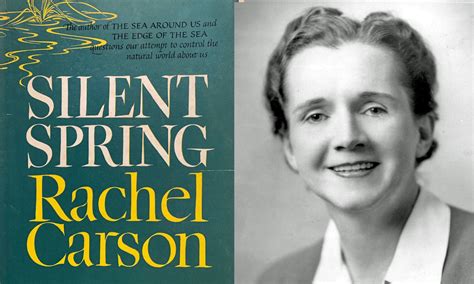
Biography: Rachel Carson, Environmental Pioneer
Rachel Louise Carson (1907–1964) was an American marine biologist, author, and conservationist. She is often called the mother of the modern environmental movement. Carson alerted the world to the dangers of pesticides and their harmful effects on the environment and human health.
Early Life and Career
Carson was born in Springdale, Pennsylvania. From a young age, she loved nature and writing. She studied biology at Pennsylvania College for Women and later earned her Master's degree in zoology from Johns Hopkins University. After her studies, she worked for the U.S. Bureau of Fisheries (which later became the U.S. Fish and Wildlife Service). Here, she wrote educational materials about marine life.
Before her most famous work, Carson wrote several popular books about the ocean. Her book **The Sea Around Us** (1951) was a bestseller and won the U.S. National Book Award. It helped her become a well-known writer and science communicator. Her writing was beautiful and scientific, making complex topics understandable for everyone.
Silent Spring and its Impact
Rachel Carson's most influential book was **Silent Spring**, published in 1962. In this book, she investigated the effects of chemical pesticides, especially DDT, on the environment. She argued that these chemicals were poisoning wildlife, especially birds, and contaminating food and water supplies. The title *Silent Spring* referred to a future where birds would no longer sing because they had been killed by pesticides.
The book faced strong opposition from chemical companies and some government officials, who tried to discredit her work. However, Carson bravely defended her research and testified before Congress. Her powerful arguments helped to change public opinion and led to major environmental reforms.
Legacy
Silent Spring played a crucial role in the ban of DDT in the United States in 1972 and inspired the creation of the U.S. Environmental Protection Agency (EPA). Rachel Carson died in 1964, just two years after Silent Spring was published, but her legacy continues to grow. She is remembered as a courageous scientist and writer who showed the interconnectedness of nature and the importance of protecting our planet. She received the Presidential Medal of Freedom posthumously in 1980.
📖 Comprehension Activities
Complete the Sentences
1. Rachel Carson is often called the mother of the modern movement.
2. She alerted the world to the dangers of and their harmful effects.
3. Carson earned her Master's degree in zoology from University.
4. She worked for the U.S. Bureau of Fisheries, writing educational materials about life.
5. Her book The Sea Around Us was a bestseller in .
6. Rachel Carson's most influential book was .
7. This book investigated the effects of chemical like DDT.
8. The title of her famous book referred to a future where birds would no longer .
9. Her arguments helped lead to the ban of DDT in the United States in .
10. She received the Presidential Medal of Freedom in 1980.