Papa Wemba: The King of Rumba Rock
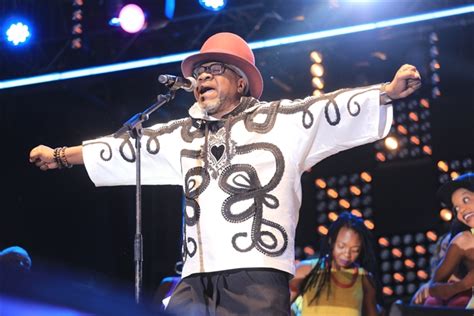
Early Life and Musical Beginnings
Jules Shungu Wembadio Pene Kikumba, known around the world as Papa Wemba, was born in the Democratic Republic of the Congo. As a child, he sang in church choirs. This early experience influenced his musical style. Because of his religious choir background, some of his songs used minor keys that created a serious and emotional tone.
In 1969, he became a founding member of the influential band Zaiko Langa Langa. The group helped modernize Congolese rumba by focusing on electric guitars, energetic rhythms, and youth culture.
International Success and Viva La Musica
In 1977, Papa Wemba founded his own band, Viva La Musica. He also created a communal home for musicians in Kinshasa called Village Molokai, where young performers lived and trained together. Many artists who worked with him later became successful solo stars.
During the 1980s, he spent much of his time in Paris, developing his international career. There, he mixed traditional Congolese rumba with rock and soul influences. He later collaborated on projects connected to international producers such as Peter Gabriel, helping bring African music to a global audience.
In 1987, he starred in the Congolese film La Vie est Belle. By this time, he was widely known as “The King of Rumba Rock.”
La Sape and Cultural Influence
Papa Wemba became the leading figure of La Sape, which stands for Société des Ambianceurs et des Personnes Élégantes. This cultural movement promoted elegance, dignity, and self-respect through fashion. For many young people in Congo, dressing well became a peaceful way to show pride during difficult times.
Because of his music, fashion leadership, and mentoring of young artists, singers such as Koffi Olomide developed their careers within his musical world. Papa Wemba passed away in 2016 while performing on stage. Today, he is remembered as both a musical pioneer and a cultural symbol.
- Founding member – one of the original creators of a group
- Minor key – a musical scale that often sounds serious or emotional
- Mentor – an experienced person who guides others
- Communal – shared by a group
- Dignity – self-respect and pride
- Global audience – people around the world
1 Jules Shungu Wembadio Pene Kikumba
2 Viva La Musica
3 La Sape (SAPE)
4 The King of Rumba Rock
5 Village Molokai
6 Paris
7 Peter Gabriel
8 La Vie est Belle
9 Koffi Olomide
10 Zaiko Langa Langa
11 Société des Ambianceurs et des Personnes Élégantes
12 True
13 dignity/self-respect during difficult times
14 helped young musicians live and train together
15 helped him reach international audiences
16 he guided and supported younger musicians